Transforming your furniture with a personal flair is an excellent strategy for refreshing spaces that have started to feel stale, especially when it comes to rejuvenating tired furniture. However, the thought of painting bathroom cabinets often gives pause. Given the unique challenges presented by bathroom environments, it's understandable.
If the idea of brandishing a paintbrush to revamp your bathroom cabinets has crossed your mind, yet uncertainty about how to begin lingers, worry not. This guide is crafted to empower you with the knowledge and confidence needed to tackle the project of painting bathroom cabinets, ensuring a flawless finish. Dive into this comprehensive tutorial designed to guide you through the process of giving your bathroom cabinets a stunning makeover, imbuing them with a fresh, personalized aesthetic.

Tools to Paint Bathroom Vanity Cabinets
- The best screwdriver is one that matches the head of your cabinet hardware.
- Pencil and paper
- Sandpaper
- Sanding block
- Masking tape
- Mask for the face
- Goggles
- Protect your floors with large enough plastic sheets and old cloth
- Use spackle or filler that is appropriate for the surface on which you are working
- Sugar soap
- A sponge
- Rubber gloves
- Paintbrushes
- Paint roller and paint tray
- Paint
- Primer - If your cabinet is new to painting.
How To Paint Bathroom Vanity Cabinets:

Step 1 - Ensure your primer and paintwork on your cabinet
Before diving into your painting project, examine the material of your bathroom cabinets closely. Whether they're laminate, wood, or metal, each material interacts differently with paint and primer. Opting for the incorrect primer can result in a less-than-ideal finish, including streakiness or peeling paint soon after application. Aim for products specifically tailored to your cabinet's material, or consider versatile multi-surface options for optimal results.
Step 2 - Prepare your bathroom
Kick off by safeguarding your floors with cloth or plastic sheeting, ensuring your workspace remains pristine. Apply masking tape meticulously along the edges where cabinets meet the wall to prevent paint mishaps. Next, dismantle your cabinet by removing handles, screws, and doors, setting them aside safely to avoid misplacement. This step is crucial for achieving a professional finish without painting over hardware or hinges.
Step 3- Clean up
Gear up with rubber gloves and safety goggles, and embrace the power of sugar soap to thoroughly cleanse all cabinet surfaces. This cleaning phase is pivotal for removing grease and ensuring the paint adheres properly. Address any imperfections with filler, following specific application instructions for a seamless base.
Step 4 - Sand the surfaces
Once dry, and fillers are set, embrace the sanding process. Don protective gear to avoid irritation from dust. A fine-grit sandpaper, ranging from 120 to 220, is ideal for achieving a smooth surface. Tackle flat areas with a sanding block and contoured sections with sandpaper wrapped around a sponge. A final wipe with a damp cloth will remove any lingering dust.
Step 5 - Test the paint
Before committing to painting the entire cabinet, test your chosen primer and paint on a discreet section. This test run is essential for ensuring satisfaction with the color and finish, saving time and potential frustration. Should the test reveal any issues, now's the time to seek adjustments from your paint supplier.
Step 6 - It's time to be primed
With a clean, prepped surface at the ready, apply your primer. Utilize a paint tray and roller for larger surfaces to achieve a smooth, even coat. Allow the primer to dry thoroughly, setting the stage for the paint application.
Step 7- Keep going with the paint
Now, with excitement, begin painting. Apply the same techniques used during priming to ensure a flawless finish. For textured surfaces, a brush can help smooth out the roller's marks, ensuring a uniform appearance.
Once the paint has dried, it's time to reattach the hardware. Use your screwdriver to secure handles and reassemble doors and drawers. Take a moment to admire your handiwork, appreciating the transformation.

Extra Tips for Success
Allow yourself ample time for each step, avoiding the urge to rush. Slow and steady yields the best results.
Ensure proper ventilation, especially if using oil-based products, to safeguard against harmful fumes.
By following these detailed steps, your bathroom vanity cabinets will not only gain a new lease on life but also elevate the entire look of your bathroom, reflecting your personal style and meticulous attention to detail.
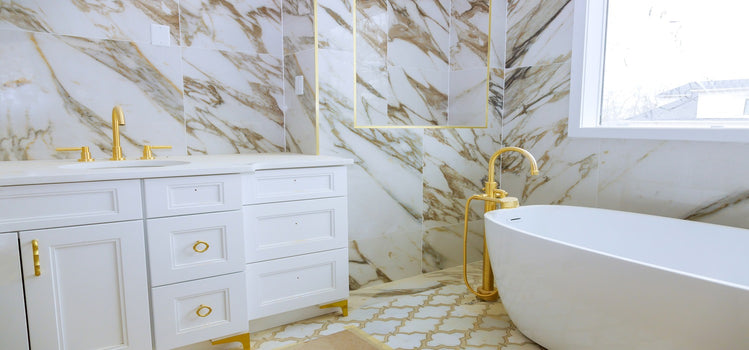
As you admire your beautifully painted bathroom vanity cabinets, you might be wondering what's next in transforming your bathroom into a truly luxurious space. I recently stumbled upon an inspiring blog, 'Opulence Unveiled: Elevating Your Space with Gold Bathroom Accessories,' which offers fantastic ideas on adding those finishing touches that can make all the difference. It's a great resource for anyone looking to complement their fresh paint job with elegant accessories. Definitely worth a look to bring your bathroom's new look full circle.